By John Helmer, Moscow
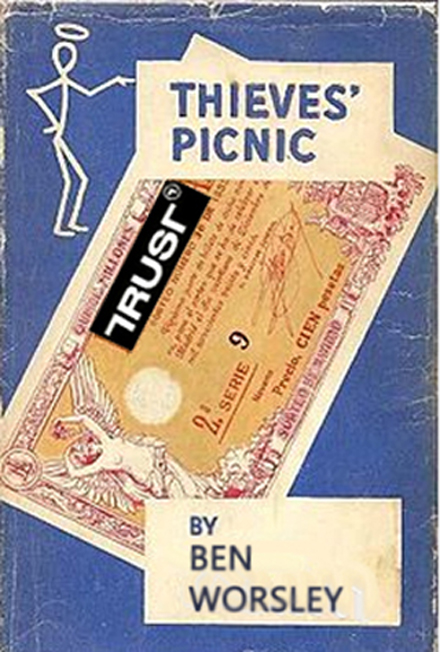
In the first tale of the thieves’ picnic, published by Leslie Charteris in 1937,a gang of robbers, kidnappers, and smugglers starts to fall apart over a $2 million lottery ticket one of the thieves stole from the gang’s pot. The detective who recovers the ticket, and rescues a diamond-cutter who’d been abducted for the gang’s diamond-smuggling operation, rolls up the crimes by pretending to be a gangster himself, and encouraging the others to betray each other.
By the standards of Ilya Yurov and Benedict Worsley, the original thieves’ picnic was a fight over peanuts. Yurov, the control shareholder of Trust Bank, managed the disappearance of $3.3 billion in Trust Bank funds until December 2014, when the Central Bank stopped his operations, and financed Otkritie Bank to take over in his place. Within weeks, Russian government investigators found the gap between Trust’s assets and liabilities had jumped from Rb67.8 billion to Rb114 billion; in pre-devaluation terms, that’s from $2 billion to $3.3 billion — bigger larcenies than the previous records set by Sergei Pugachev at Mezhprombank and Andrei Borodin at Bank of Moscow.
Worsley had helped Yurov by operating hundreds of offshore companies and bank accounts through which the money was moved, mostly as sham loans. Yurov is now living in Kent as a guest of the British government. Worsley, who divides his time between Cyprus and Dubai, is now employed by Otkritie Bank, Trust’s new owner. Worsley is being paid $32,500 per month as an informer, with a promise of a bounty of up to 4% of the recovery value of the assets Yurov and he allegedly stole and laundered, plus an indemnity from prosecution. The Worsley arrangement was kept secret by Otkritie Bank until revealed recently in the High Court in London.
The informer reward deal is unprecedented in the history of Russian bank fraud, according to London bankers and lawyers. “In a multi-billion fraud of this size,” said one international bank source, “a deal like this can be justified if the recovery is large enough – that is, if Otkritie Bank and the Russian Deposit Insurance Agency couldn’t follow the money trail without the informer, and if they manage to recover significantly more than they pay out to the informer. But why has Otkritie tried to keep the deal secret? The court papers show that $3.3 billion is missing from Trust Bank; Yurov’s bank accounts and assets add up to $830 million. How much is Worsley holding back? Does he stand to get richer with the Otkritie deal than he got with Yurov?” (more…)